PSLE
English
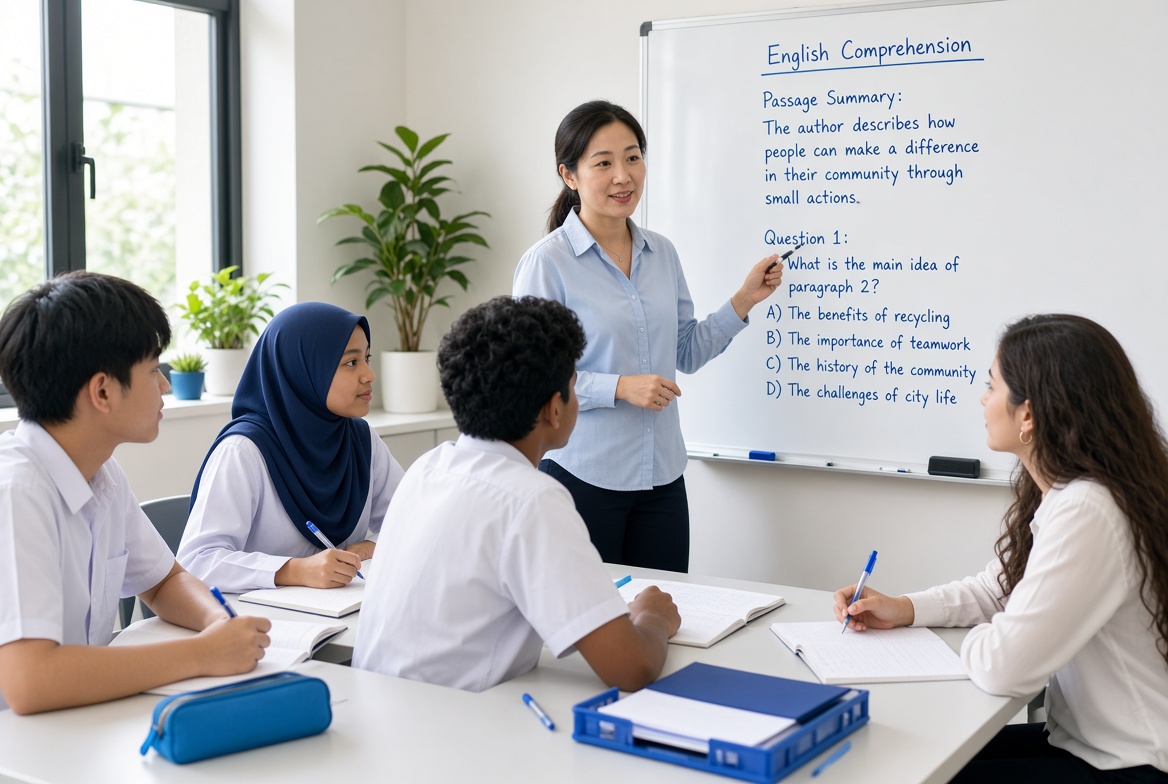
Grammar, vocabulary, comprehension, situational and continuous writing, oral and listening — Paper 1 to Paper 4.
Timetables shift with each term and each AEIS cycle. Call Junction 10 to match a group that fits your family — or your working week.

The Admissions Exercise for International Students (AEIS) is the Ministry of Education's centralised route for international students who want a place in a Singapore mainstream school — Primary 2 to 5 or Secondary 1 to 3. English is where most applicants are decided, and English is what we teach best.
Cambridge A2 Key and B1 Preliminary for Schools preparation, then AEIS Mathematics in English. Ages 7 to 11.
AEIS English (comprehension, vocabulary, writing) and Mathematics papers. Ages 12 to 16.
Once placed, students continue with us for school English, Mathematics and Science so the first year in a Singapore classroom goes well.

One subject per group, so a child who needs Science does not sit through Chinese. Primary 1 to 6, with PSLE-year groups from Primary 5.
Grammar, vocabulary, comprehension, situational and continuous writing, oral and listening — Paper 1 to Paper 4.
Heuristics, model drawing, problem sums and Paper 2 stamina. Foundation Mathematics groups on request.

Concepts, process skills and the exact answering phrases PSLE markers award. Open-ended questions drilled weekly.
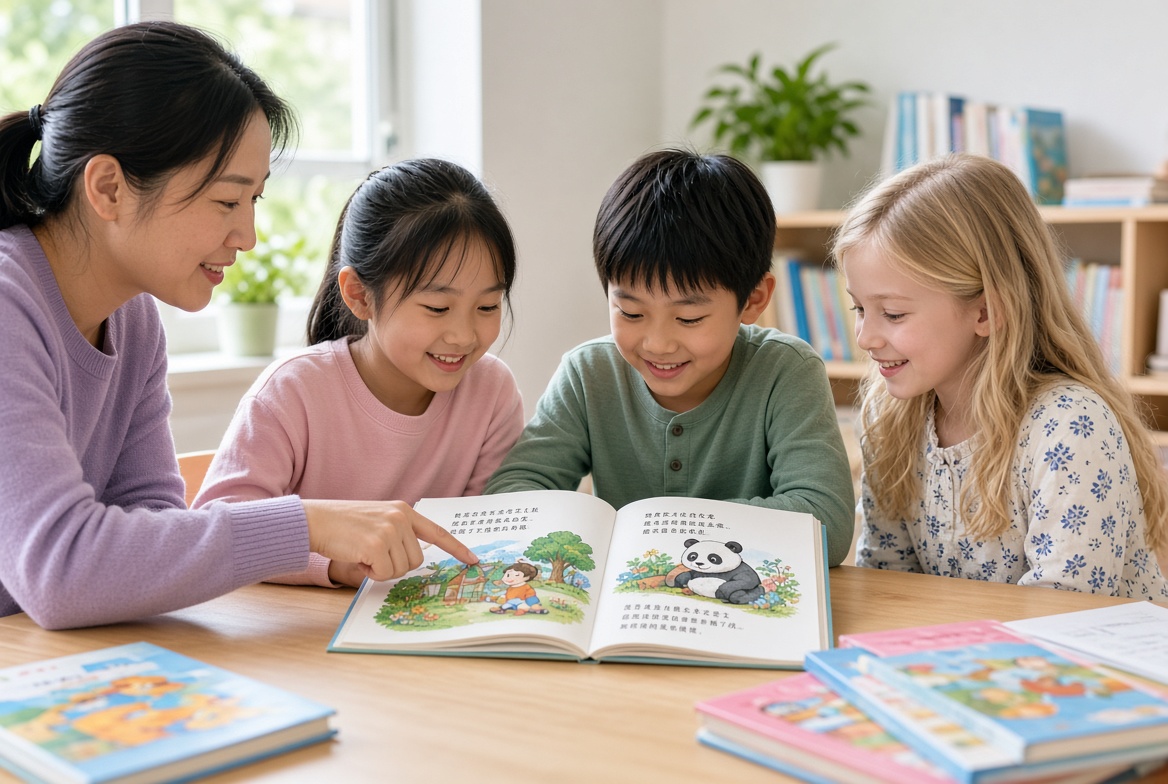
Composition, comprehension, oral and listening for the MOE paper — and for real speech at home.
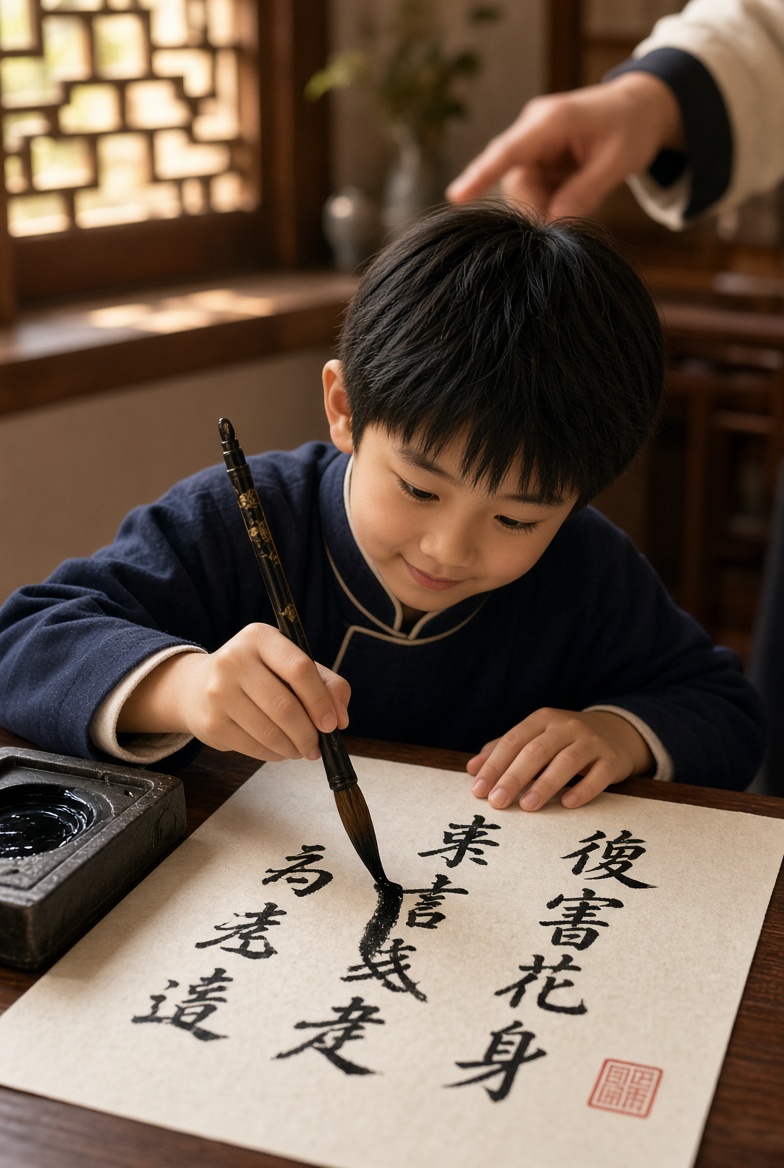
For students on the Higher Chinese track: idioms, extended writing and the harder comprehension passages.

English, Mathematics, Science and Chinese groups for the years before PSLE — habits first, then technique.
Secondary 1 to 5. Express, Normal (Academic), Normal (Technical) and IP streams. Groups of five to eight.
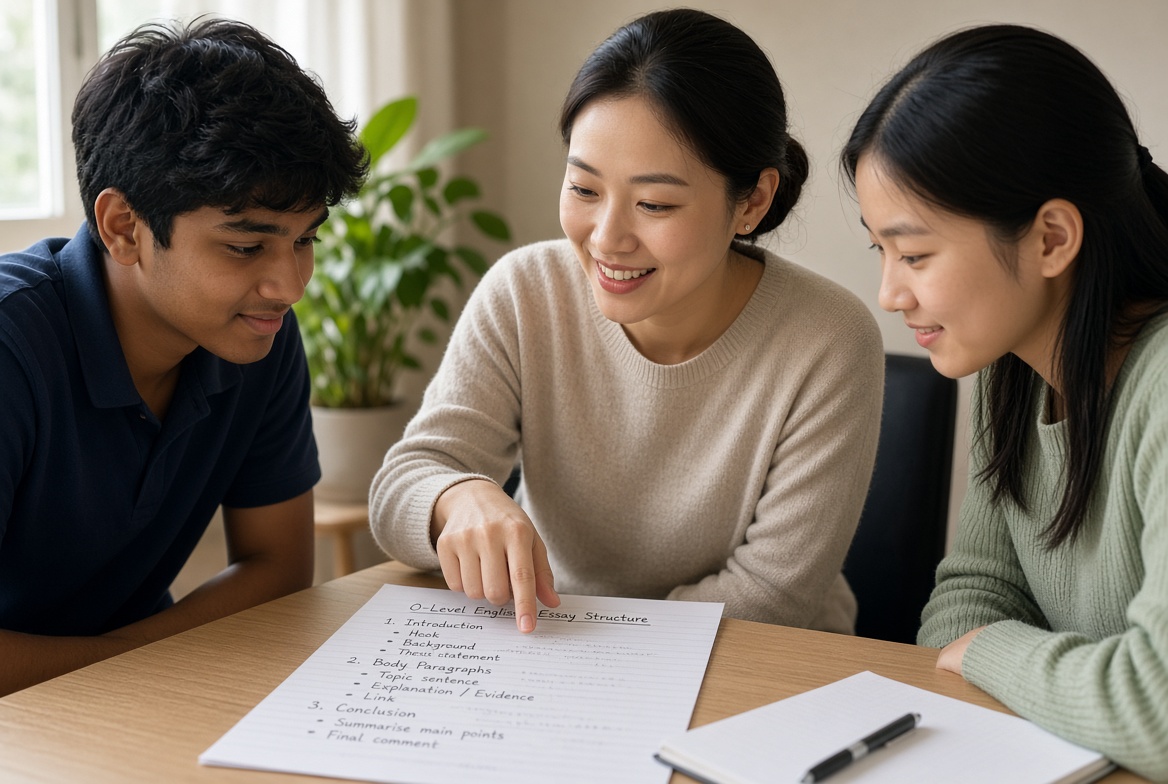
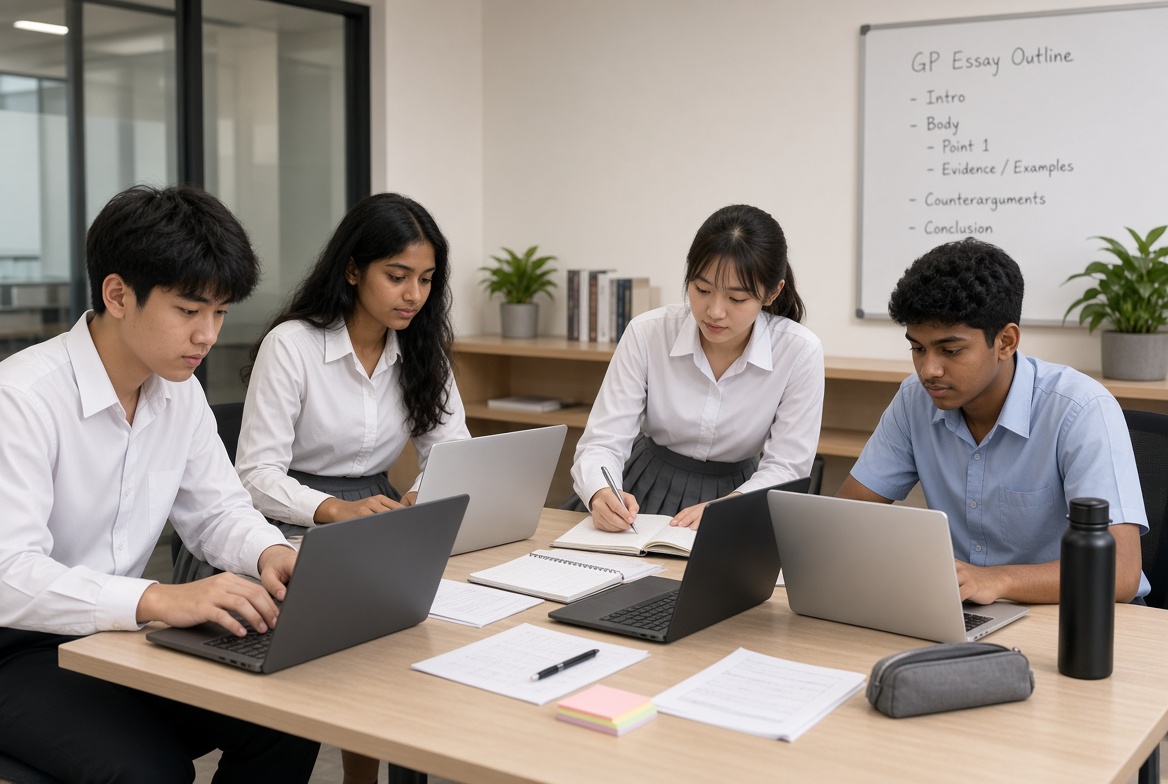
Comprehension, summary, argumentative and situational writing, oral. Chinese and Higher Chinese for the O-Level paper.
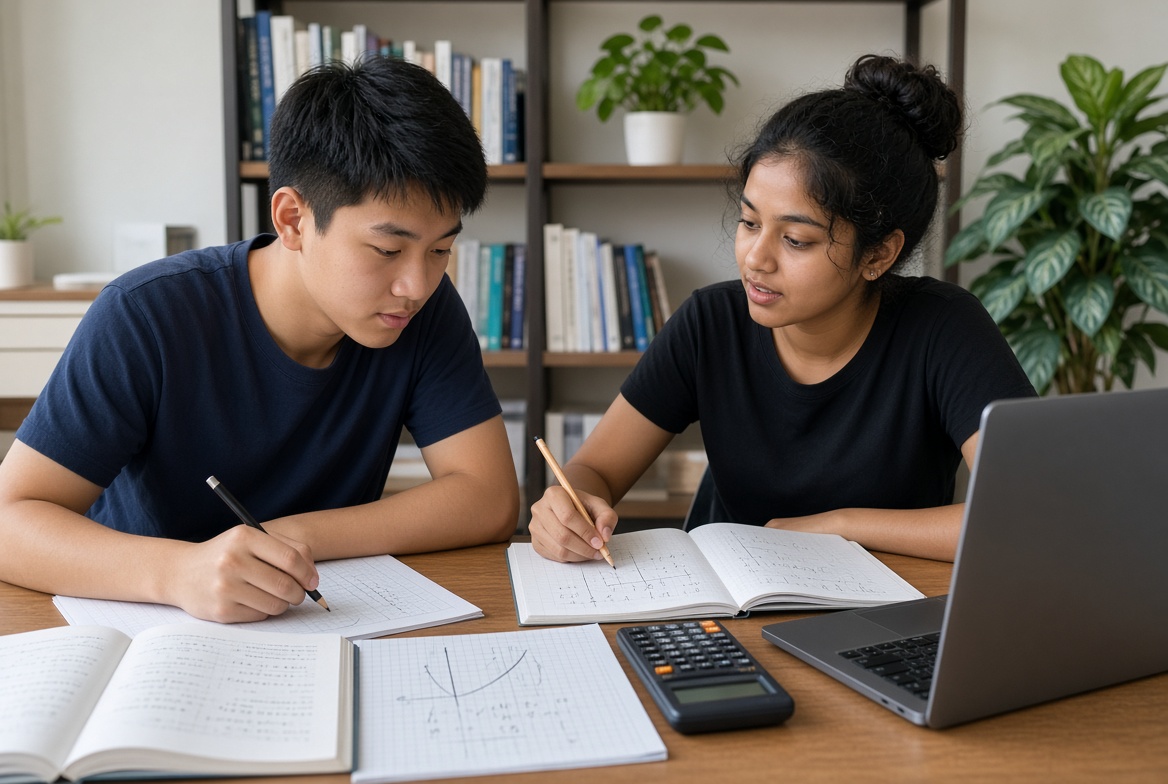
Graphs, trigonometry, calculus starters, heuristics. Diagnostic first, then a weekly plan that closes the exact gap.
Pure or Combined Science. Models, practical reasoning and the answering phrases markers look for.
Source-based questions, structured essays and the Combined Humanities paper.
Set texts, unseen poetry and prose, and the essay structure examiners reward.
Double entry, ledgers, financial statements and the interpretation questions in Paper 2.
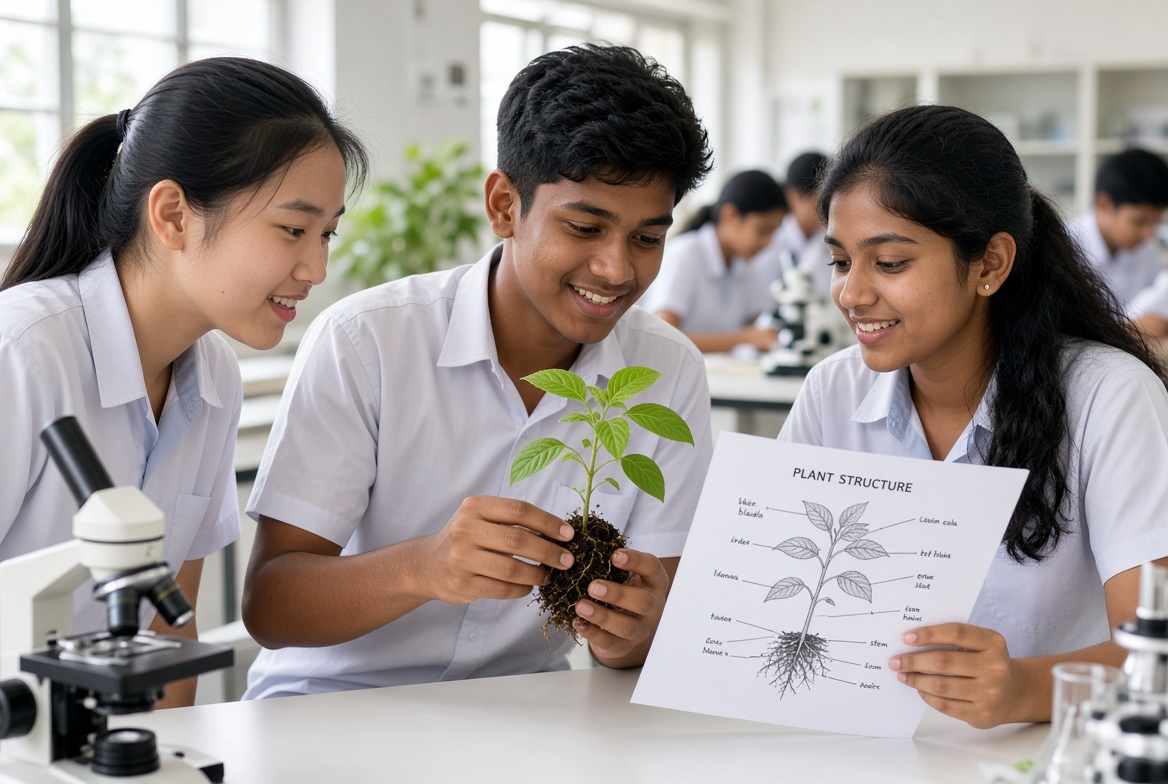
Lower Secondary (S1–S2) groups cover English, Mathematics, Science, Chinese and Higher Chinese ahead of subject selection.
Small evening and weekend groups for working adults, seniors and young adults — no exam unless you want one.
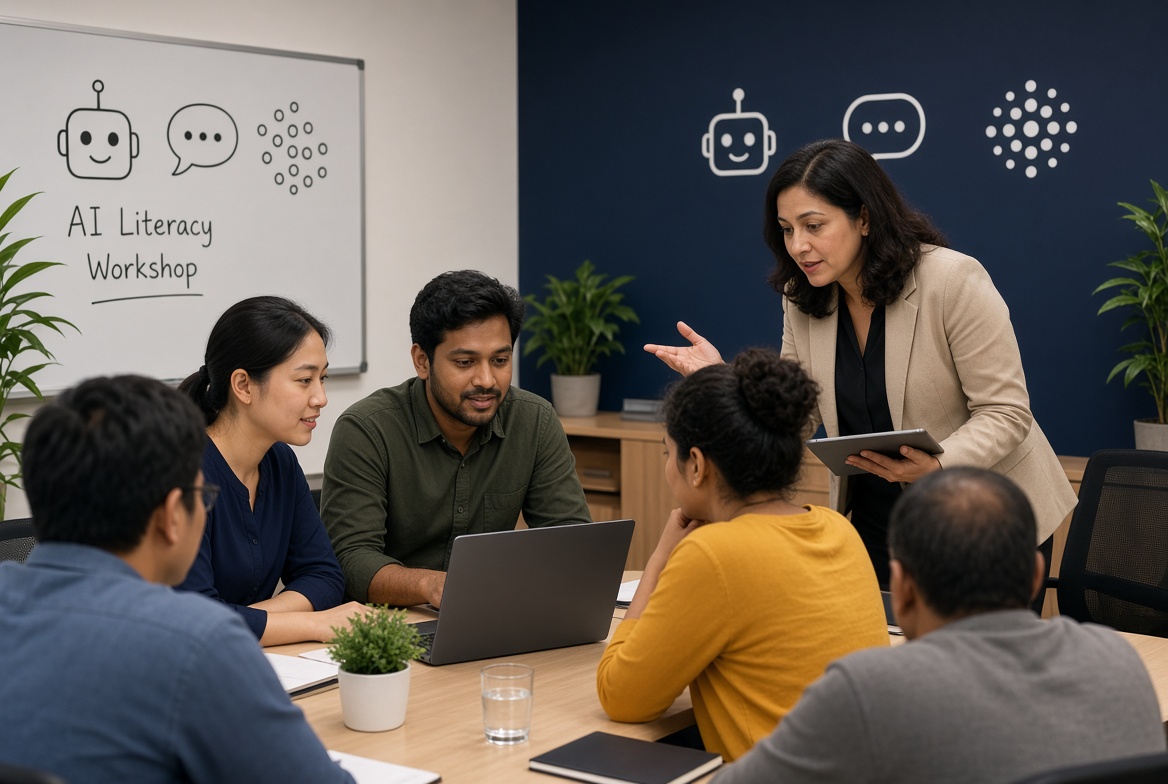
What generative A.I. can and cannot do. Writing a good prompt, checking an answer, using A.I. for email, research, spreadsheets and slides — and staying safe with your data. Bring your own laptop; no coding needed.
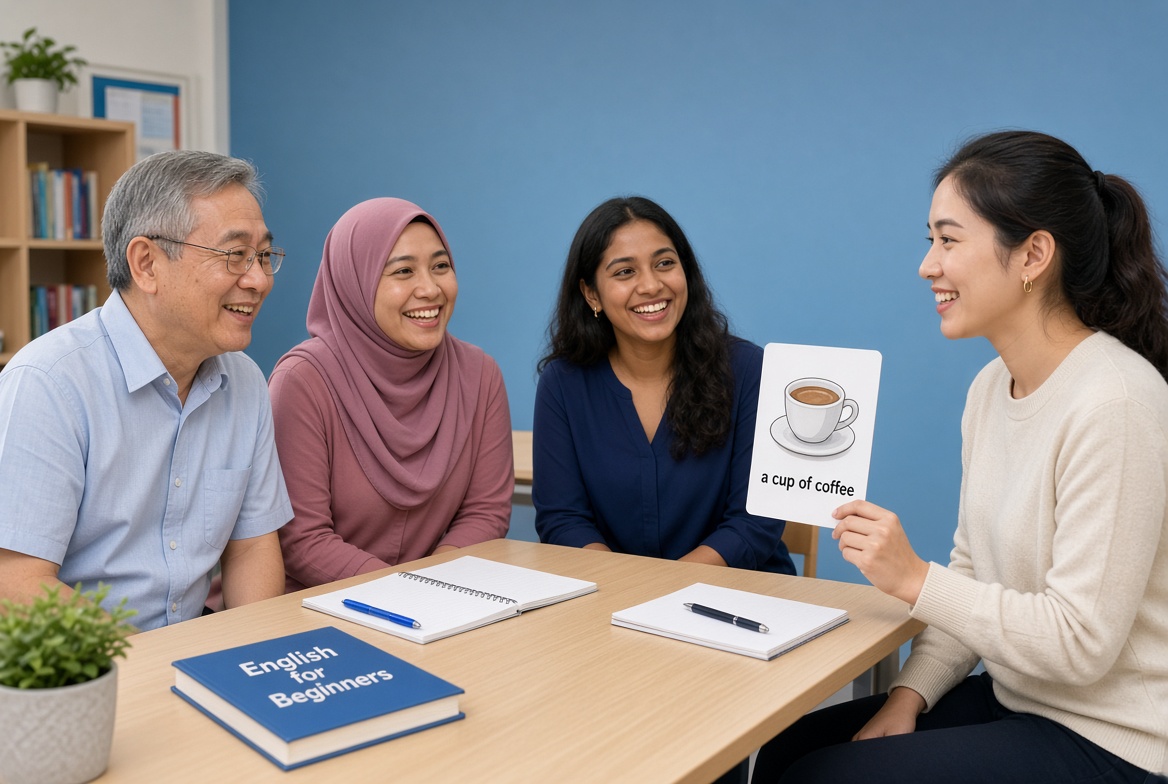
English from the first phrase up, conversational Chinese for non-speakers, and Japanese toward JLPT levels. Picture cards and conversation pairs for confidence; grammar when you are ready for it.
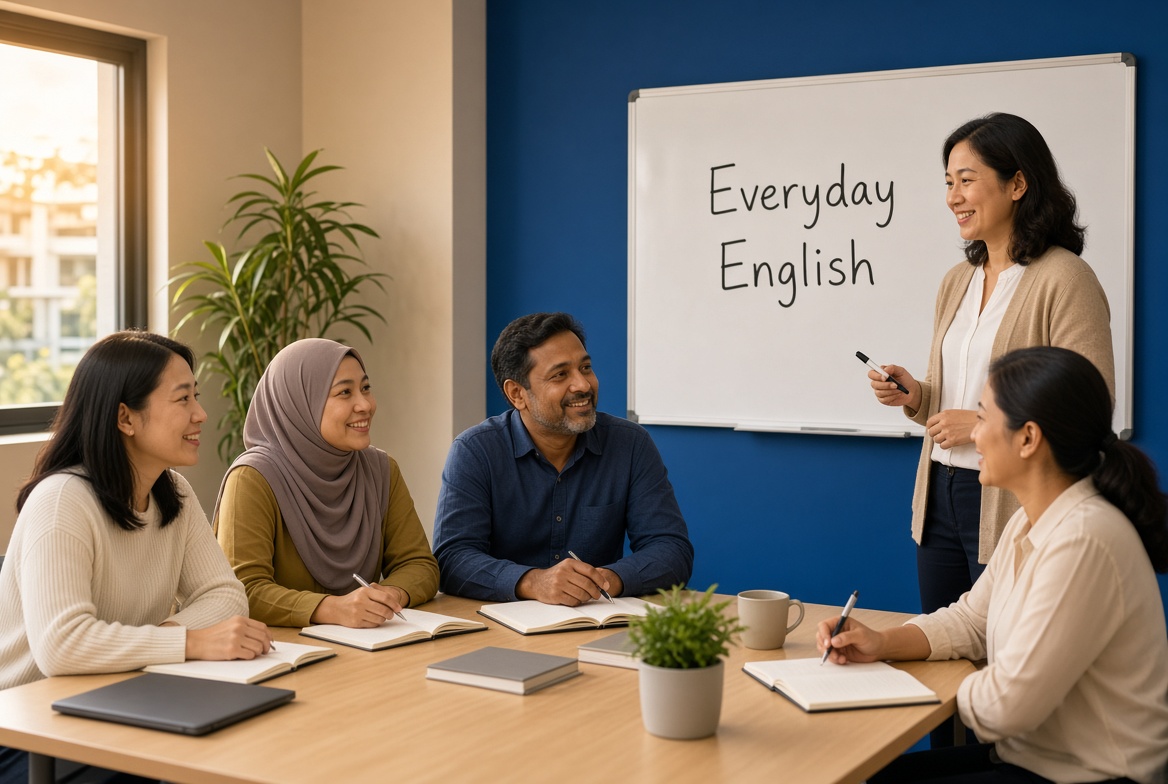
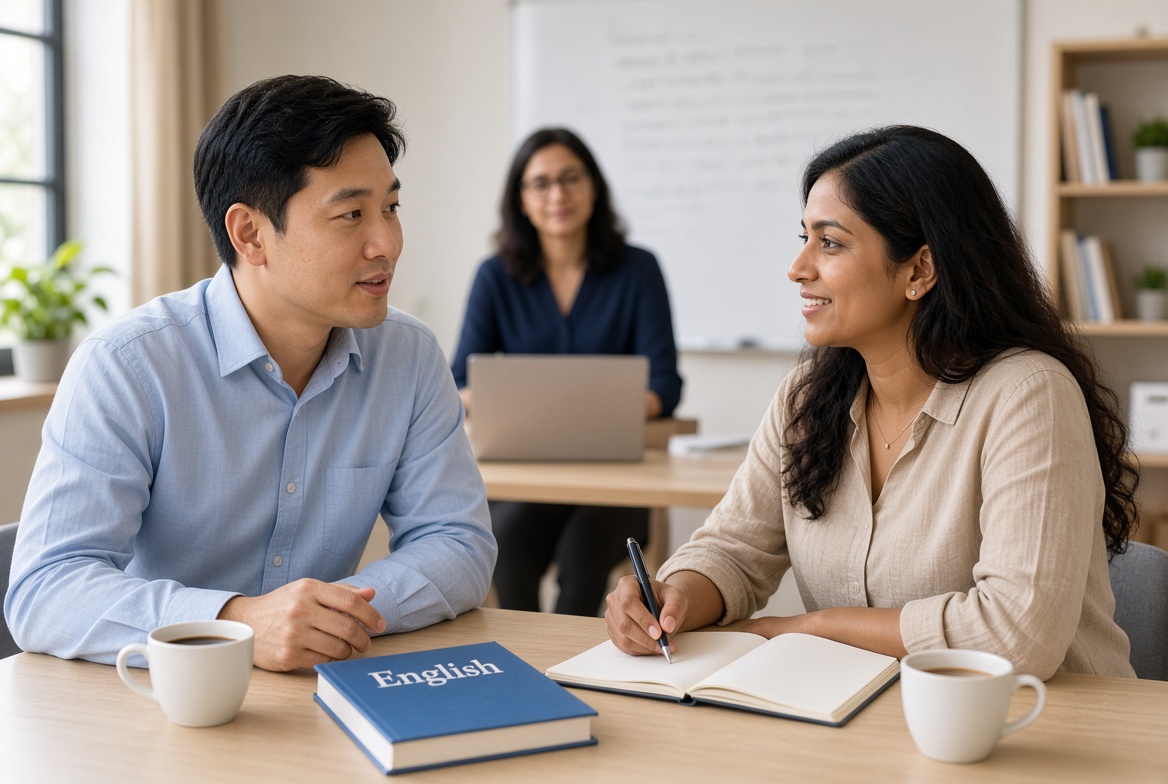
Weeknight groups after work for people who need English on the job: speaking with customers and colleagues, WhatsApp and email at work, forms, pronunciation and the confidence to answer the phone.
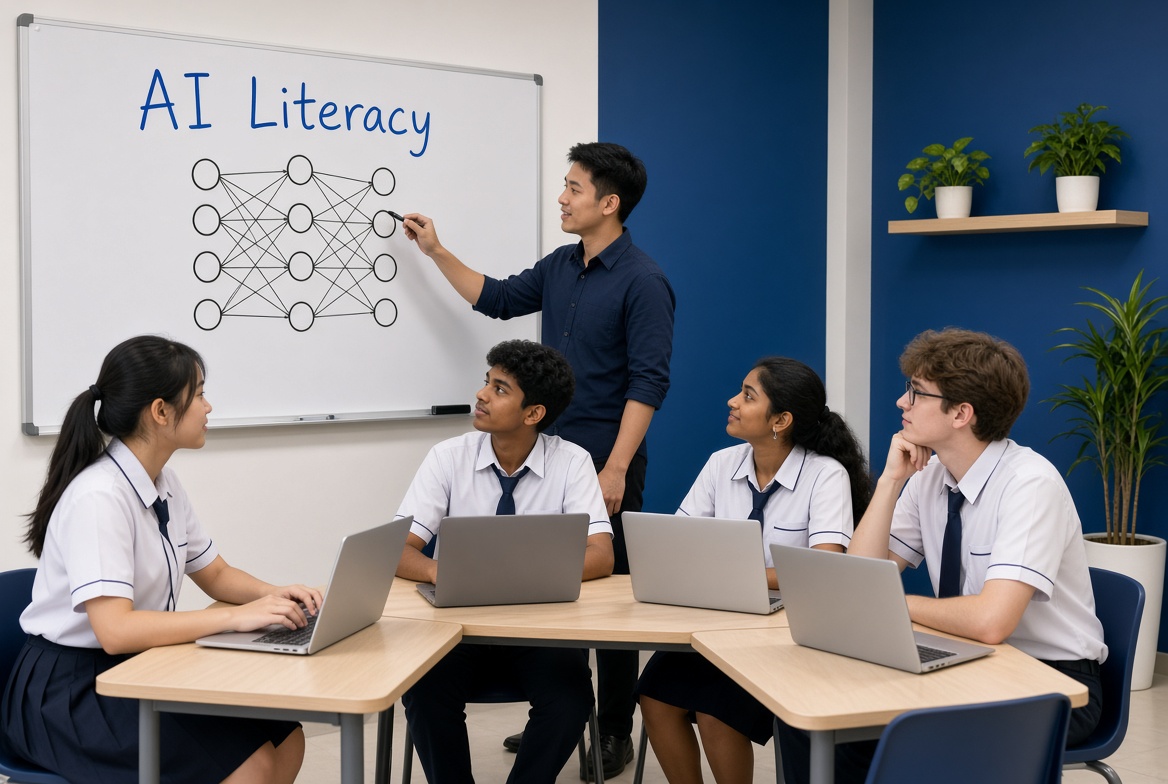
A.I. literacy also runs as a holiday workshop for secondary students — how to use A.I. for school without shortcutting the thinking.

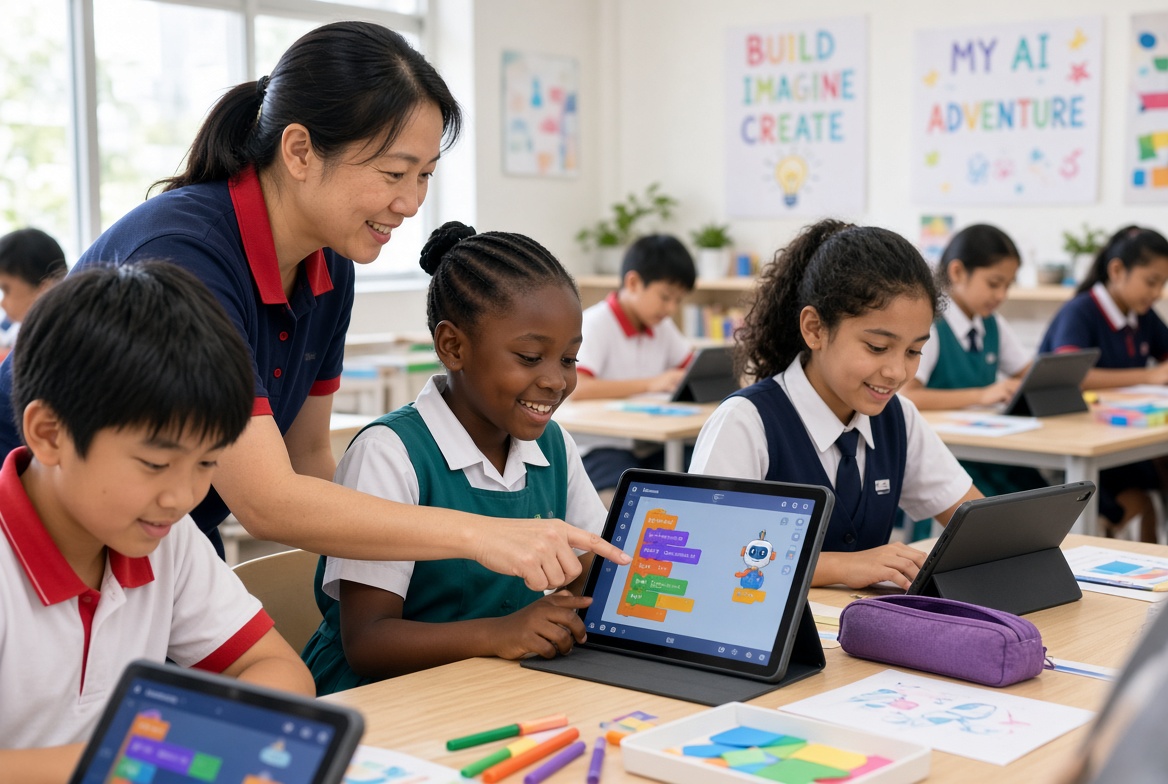

A free assessment tells us what a report book sometimes misses. Then we match teacher, group and materials.
Request an assessment